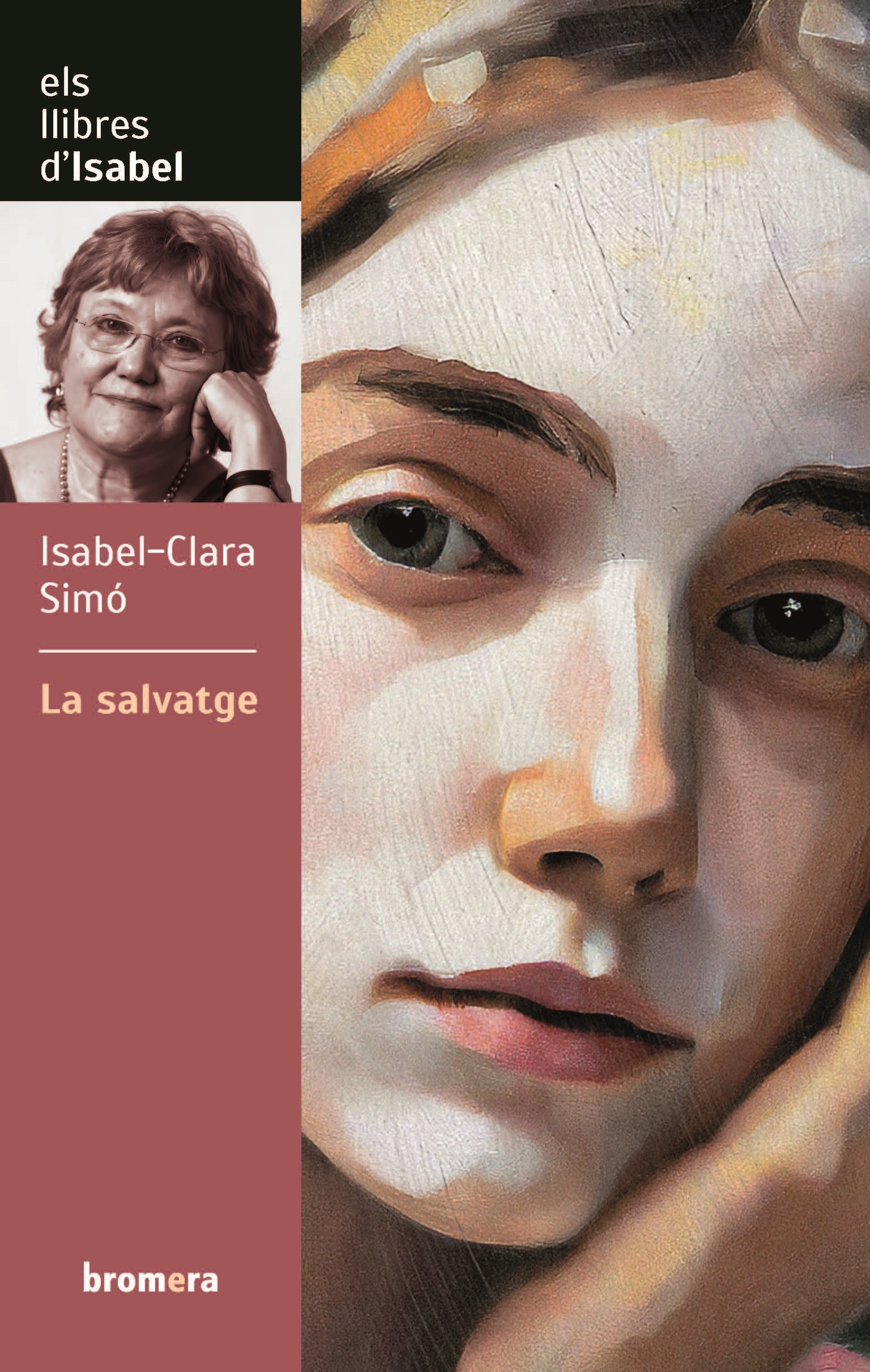
The Wild One
The arrival of the young Dorothy - an orphaned fourteen-year-old, redheaded, freckled - is a breath of fresh air in the life of Joaquim Simon - in his sixties, rich and divorced. He welcomes her at first like a father figure who cares for and protects her, eager to help her adapt to the changing times she is living through but ends up wanting to turn this 'wild one' into a perfect model of which he can be proud, shaping her into his perfect masterpiece, as in the myth of Pygmalion. It is then that he falls in love with her and feels deeply drawn to the young woman. Dorothy, now renamed Dolores, loses her individual freedom and, at the same time, imperceptibly changes her identity. Joaquim controls everything: her name, her behaviour, her education, even her memories. These feelings of possession towards her make him aware not only of his loneliness and cruelty, but also of his old age. This shocking novel exposes the dangers of dehumanization and control, suggesting that when this occurs, some people become capable of anything. This is when harassment and violence emerge. Dolores begins to long for freedom, for a life reclaimed on her own terms. She ultimately breaks away from her present, yearning for a radiant future that she imagines she could have had in the United States, where she came from.
This novel, awarded with the Sant Jordi Novel Prize 1993 and translated into several languages including French, German, Italian and Swedish at the time of its publication, offers a nuanced examination of the human capacity for both compassion and cruelty. The Wild One is a fascinating and timeless story about the demons of domination, violence against women, and the ethical dilemmas that arise when individuals wield power over the lives of others.
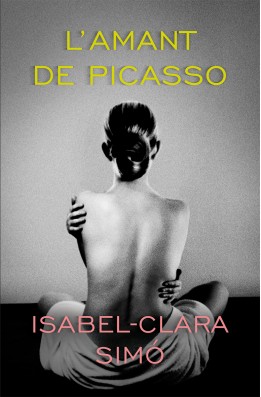
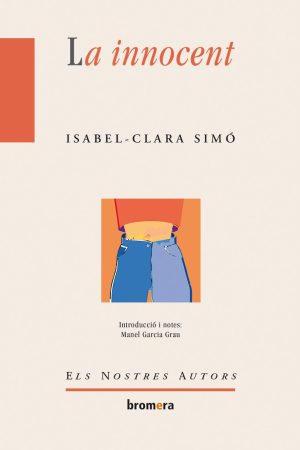
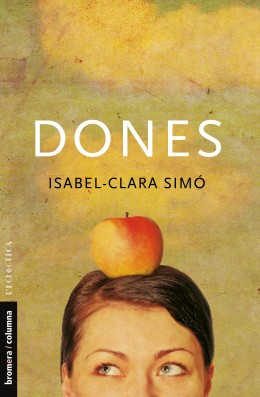
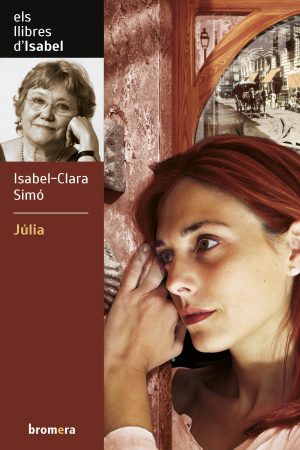
Request more informationCovers
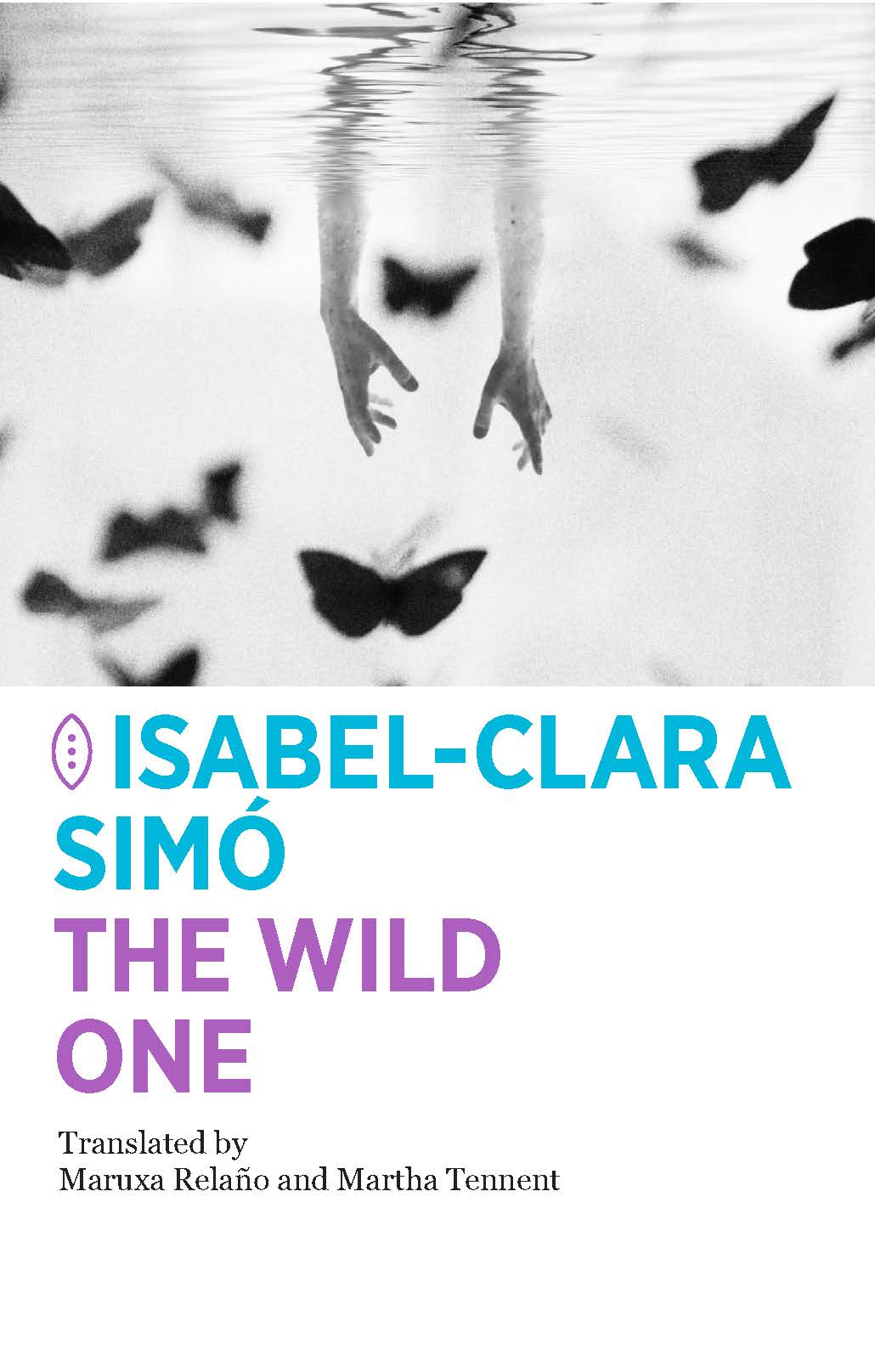
Original Language
CATALAN | Bromera
CATALAN (ppbk) | labutxaca
Translation Rights
ENGLISH (World) | 3TimesRebel Press
GREEK | Vakxikon
Prizes
Sant Jordi Novel Prize 1993
Reviews
"Through the pages of The Wild One readers enter a story that is at times claustrophobic and brutal in which characters on the edge make us reflect on a topic that is unfortunately constantly relevant: violence against women." Jordi Tormo Santonja, La Veu dels llibres